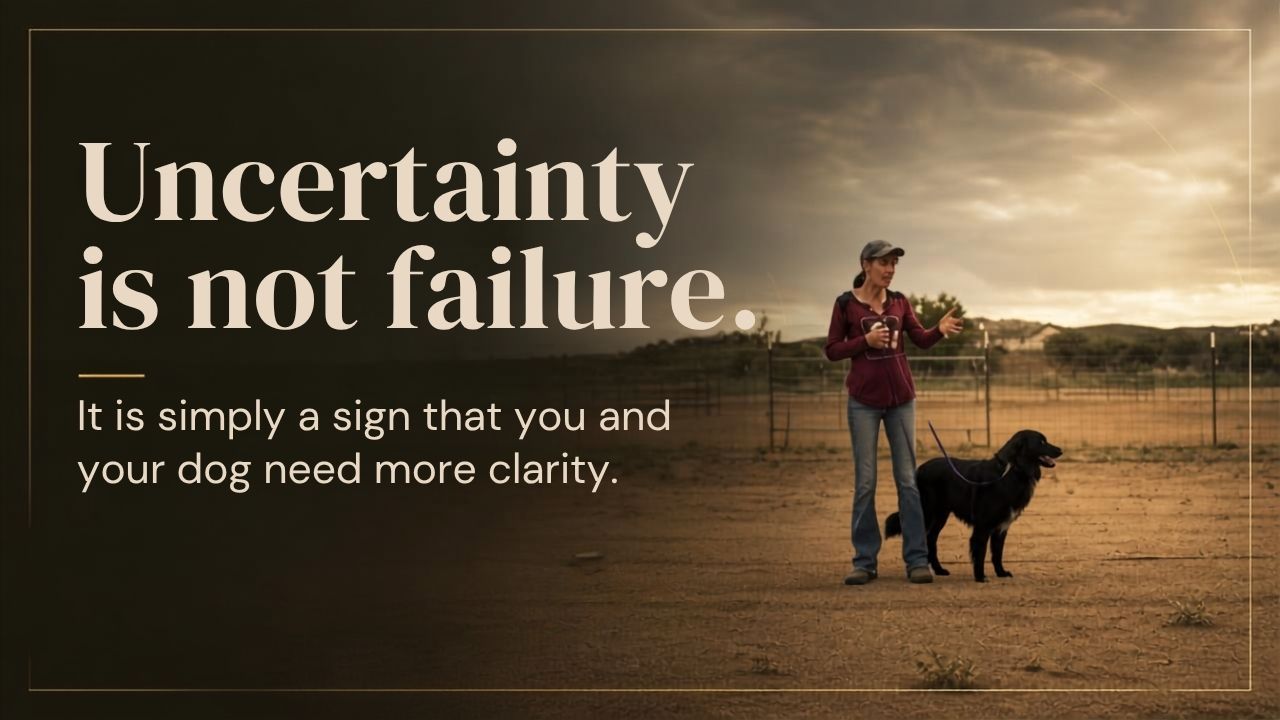
Maybe Your Dog Doesn’t Hate the Rules
Sep 02, 2026Written by Dawna Sims | PSR Stockdogs
In stockdog training, we hear it all the time:
“My dog just doesn’t like playing by the rules.”
When a dog loses motivation after we apply pressure or ask for more precision, it’s easy to assume they’re pouting, being stubborn, or simply don’t like having rules. We often label them as “soft,” “hard-headed,” or “unwilling to work.”
But what if that’s not what’s happening at all?
What if the rules simply don’t make sense from the dog’s point of view
What if we’re asking them to do something that directly conflicts with their natural instincts?
What if we corrected them for making a mistake before they truly understood what we were asking?
What if we used more pressure than was actually necessary?
Or what if our own frustration, emotion, or urgency came through in our voice or body language, causing our dog to worry that they were disappointing us? These are questions every trainer should ask before deciding their dog “doesn’t like the rules.”
Motivation Doesn’t Disappear Without a Reason
There are countless reasons a dog can become demotivated during training.
Sometimes it’s confusion, sometimes it’s uncertainty, sometimes it’s too much pressure. Sometimes it’s simply that the dog is trying so hard to be right that they become afraid of making another mistake.
Instead of immediately thinking, “My dog is being difficult,” it’s far more productive to ask:
“Why does my dog feel this way right now?”
That single question shifts the focus from blaming the dog to improving communication.
Dogs Have Emotions Too
Dogs aren’t robots that simply process commands and execute them. They experience confusion and frustration. They experience joy, excitement, confidence, uncertainty, and worry, just like we do. When we overlook those emotions, we miss a huge piece of the training puzzle.
A dog that appears to be ignoring you may actually be overwhelmed. A dog that seems stubborn may actually be uncertain and a dog that appears to quit may simply be afraid of being wrong.
Understanding those emotions allows us to become better teachers.
Foundation Comes Before Accountability
One of the biggest mistakes trainers make is expecting accountability before understanding.
If we haven’t taken the time to build a solid foundation, if our commands haven’t been clearly explained, or if the dog doesn’t fully understand what their job is… confusion is almost inevitable.
When confusion appears, many handlers unintentionally respond by increasing pressure. They repeat commands louder and they correct harder. They become more demanding because they believe the dog already knows better and is choosing not to obey.
But from the dog’s perspective, they’re simply trying to solve a puzzle with missing pieces.
Every correction without understanding creates more uncertainty. Every increase in pressure can create more worry. Eventually, some dogs stop trying—not because they don’t care, but because they’re afraid of being wrong again.
The Dogs That Care the Most Often Struggle the Most
Ironically, many of the dogs that appear to “shut down” are the ones that care the most.
These dogs desperately want to be successful. They want to make the right choice and they want to please us. But when they can’t figure out what earns success, every decision becomes stressful. Rather than risk another mistake, they simply stop offering behavior.
To the handler, it looks like the dog has quit. In reality, the dog may simply be asking for clearer guidance.
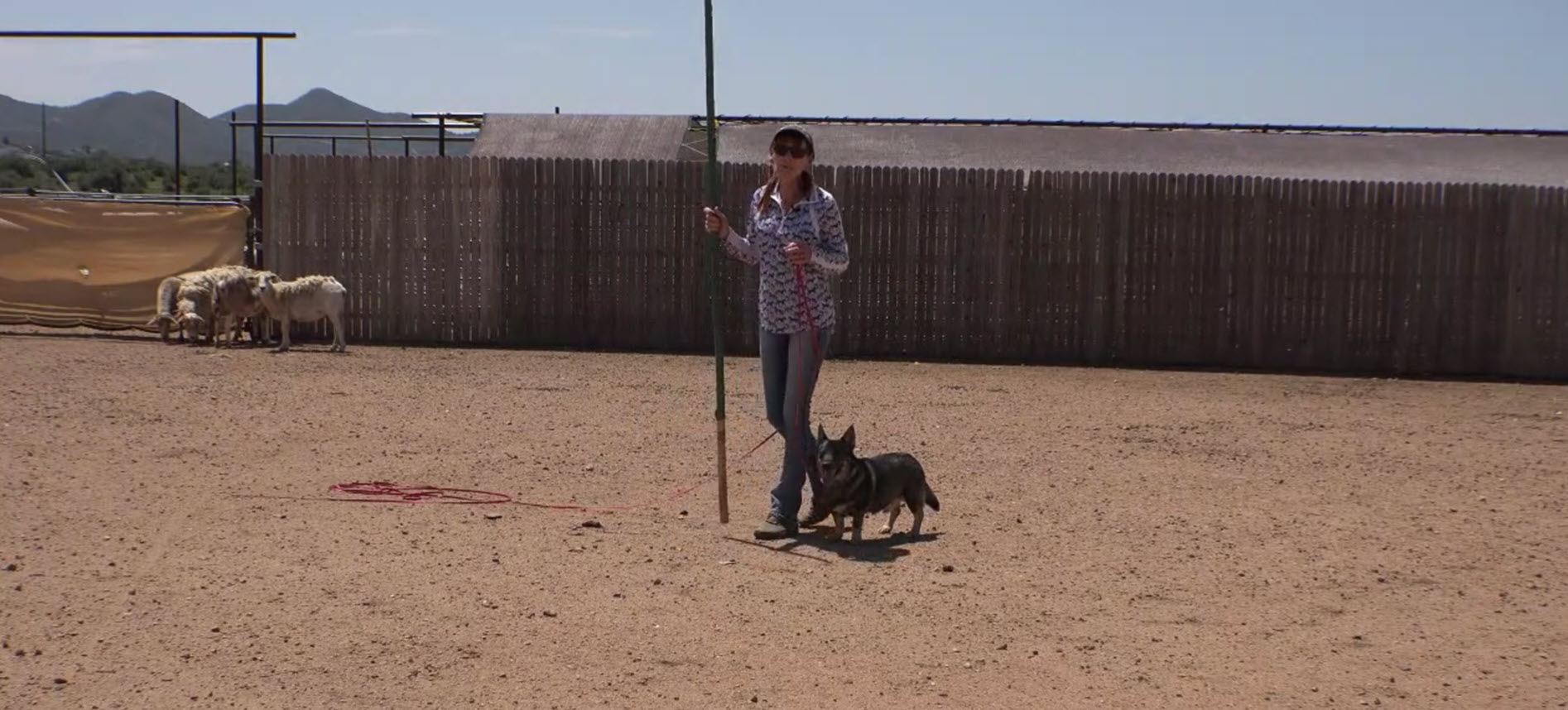
The Next Time Your Dog “Pouts”
The next time your dog seems to lose motivation, stop before assuming they’re being difficult.
Ask yourself:
- Do they truly understand what I was asking?
- Did I correct something they didn’t fully understand?
- Was I using more pressure than this moment required?
- Was my frustration showing through my voice or body language?
- Did I create enough opportunities for them to be successful before expecting perfection?
Those questions often reveal the real answer.
Great Trainers Look in the Mirror First
One of the habits that separates great trainers from average ones is where they place responsibility.
Average trainers ask:
“What’s wrong with my dog?”
Great trainers ask:
“What could I have done differently?”
That doesn’t mean every mistake belongs to the handler. It means the best trainers are always willing to evaluate their own communication before blaming the dog.
If the dog doesn’t understand, they teach again.
If the foundation isn’t solid, they rebuild it.
If the pressure was too much, they adjust.
Their goal isn’t simply obedience.
Their goal is understanding.
The Relationship Is the Reward
Every training session is about more than teaching a behavior, it is about building trust.
Every time we help our dogs understand instead of simply demanding compliance, we strengthen that relationship. The more clearly we communicate, the more confidence our dogs gain. The more confidence they have, the more willing they become to try and that willingness is where truly great training begins.
At the end of the day, the best trainers aren’t the ones who can force the most obedience, they are the ones whose dogs trust them enough to keep trying, even when the answer isn’t obvious.
That’s the kind of relationship worth building.
About Dawna Sims
Dawna Sims has more than 21 years of hands-on experience training dogs and handlers to work livestock and is the author of The Rules of the Hunt. She leads PSR Stockdogs with Megan Sims-Kennedy; together they were named 2025 Herding Breeder of the Year by the American Kennel Club, and their program is ASCA Hall of Fame Excellent Kennel #25.
Get The Working Line in your inbox
Straight talk on training the working stockdog: new posts, training insights, and what we're learning on stock. No fluff, no spam.
We'll never sell your information or clutter your inbox.
