How Important Is Off-Stock Training to Your Herding Dog’s Training?
Aug 12, 2026Written by Dawna Sims | PSR Stockdogs
When we think about herding dog training, most of us naturally think about working stock. After all, that is what we are training the dog to do.
But how important is the work we do when there are no sheep in front of us?
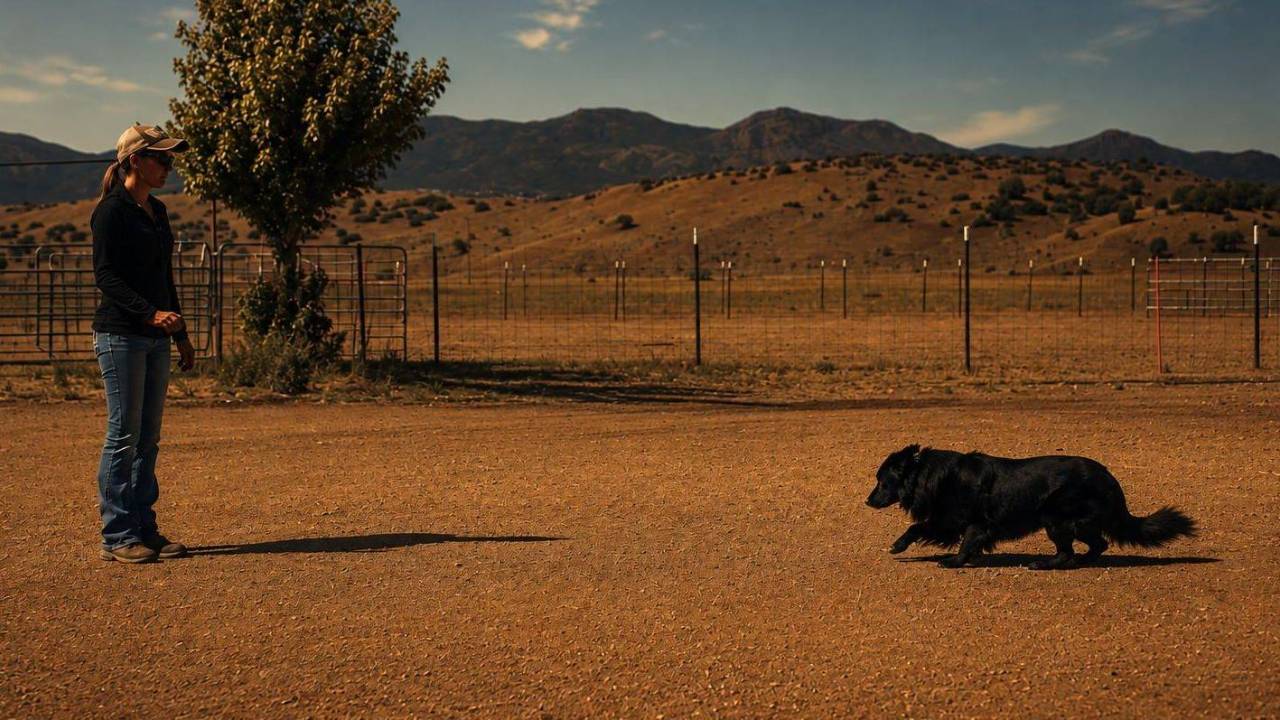
At PSR Stockdogs, we spend a lot of time doing what we call dry work, or training off stock. We start this from the time our dogs are small puppies, and we believe it is an incredibly important part of developing a good stockdog.
The work we do off stock helps our dogs understand what we want from them. It also teaches them how to cooperate with us when their natural instincts are telling them to do something completely different.
Why Is Training Around Distractions So Difficult?
The more distractions there are, especially movement, the harder it is for a dog to learn a behavior.
Working dogs are naturally drawn to movement. They want to move with it, influence it and control it. That instinct is a huge part of what makes a good herding dog able to think and control livestock.
But that same instinct can make some of the things we ask our dogs to do very difficult. Think about asking a dog to lie down while sheep are moving. Or asking a dog to come to you when the sheep are getting away.
From our perspective, the dog simply needs to listen to the command. From the dog’s perspective, however, everything inside of them may be screaming, “The stock is moving! I need to control it!”
Those behaviors don’t necessarily make sense to the dog in that moment.
Over time, we teach our dogs that they can stop and still control the stock. They learn that coming to us doesn’t mean they have lost the stock. They learn that they can reposition and then go back to work.
But learning these behaviors for the first time while in a high-arousal state around livestock can be a huge challenge.
Don’t Make Stock the Place Where Your Dog Learns the Behavior
This is where I see handlers become frustrated.
The stock is moving, the handler asks the dog to stop, and the dog doesn’t, the handler asks again, the dog continues to move. Pretty soon the handler is fighting with the dog and trying to intimidate them into stopping. This is frustrating for the handler, but it is also frustrating for the dog.
The problem isn’t always that the dog is being disobedient. Sometimes the dog simply doesn’t have a clear enough understanding of what we are asking. This is one of the reasons we put so much emphasis on off-stock training for herding dogs.
If we can teach the dog exactly what a behavior means before we put them in a high-arousal situation, we take away a lot of the confusion.
Build the Behavior First
When we are teaching a new behavior, we start with as few distractions as possible.
If we are teaching a moving down or a recall, we first let the dog focus on understanding what the command means and what our expectations are. Once the dog understands the behavior, we gradually begin adding distractions.
At first, that might be something simple. Maybe there are toys on the ground that the dog has to ignore, maybe there is food present. Then we might add another dog that may simply be sitting or lying down nearby.
As our dog’s understanding increases, we increase the difficulty. Now the other dogs might be moving around, they might be playing tug or fetch with their handler. Maybe we work outside of a dog park where other dogs are running and playing. Eventually, we might work outside of an arena while another dog is working stock.
Each of these situations creates a little more difficulty but we aren’t just throwing the dog into a difficult situation and expecting them to figure it out. We are building on something they already understand. This progression is extremely important.
Then We Add the Stock
Once the dog really understands the behavior, we can start asking for it on stock. Even then, we don’t necessarily make it difficult right away. We make it easier for the dog to be successful.
If we are teaching a stop, for example, we might go to a corner and make sure the stock is stopped before asking our dog to stop. The dog learns that stopping when we ask is something they can do even while they are working. Then we gradually make the situation more difficult.
The stock begins moving or we may increase the distance. We may increase the amount of movement. Eventually, we expect our dog to be able to stop where we ask, even when the stock is moving.
The same thing applies when we want our dog to release stock and come to us. The dog needs to understand that coming to us does not mean the work is over. They can leave the stock when we ask, come in, reposition and then return to work. That becomes much easier when the dog already has a strong recall and a good understanding of the behavior away from livestock.
Take Away the Fight
One of the biggest benefits of off-stock training is that it takes away the fight.
If the dog already understands the behavior, we aren’t trying to teach the behavior while also fighting against the dog’s instinct to control moving stock. Instead, we are asking for a behavior the dog already knows in a more difficult situation. There is a big difference.
We are not trying to convince the dog what “down” means while sheep are running, the dog already knows what down means. Now we are simply teaching them that they can do it even when the sheep are moving. That is a much more reasonable progression for the dog.
Build Confidence and Understanding
Good herding dog training isn’t just about getting a dog to do what we tell them.
We want a dog that understands what we are asking. We want a dog that can think. We want a dog that can use their natural instincts while still being able to listen and work with us.
Most importantly, we want a dog that feels confident about what is expected of them. When we build solid behaviors away from stock and gradually introduce distractions, we give the dog something to fall back on when the pressure increases. They have an understanding of what we want, and aren’t having to guess.
They aren’t trying to figure out what “come” or “down” means for the first time while their instincts are telling them they need to control the stock, they already know. That foundation can make an enormous difference in how a dog works on stock.
The Work Away From Stock Matters
Sometimes we can get so focused on working livestock that we forget how much of our dog’s training actually needs to happen away from livestock. But the foundation we build off stock is what allows us to communicate with our dog when we are on stock.
If we take the time to develop solid behaviors and gradually make them more difficult, we make it much easier for the dog to understand what we want when we finally put them into a challenging stockwork situation and that is ultimately what we are looking for. Not a dog that is confused and frustrated and certainly not a dog that feels like we are always fighting with them. We want a dog that understands us, trusts the training and feels confident about what we are asking them to do. The more solid the foundation is off stock, the easier it becomes to build the behavior on stock.
The work you do when there aren’t any sheep in front of you may not look like herding training but it is some of the most important training you do.
About Dawna Sims
Dawna Sims has more than 21 years of hands-on experience training dogs and handlers to work livestock and is the author of The Rules of the Hunt. She leads PSR Stockdogs with Megan Sims-Kennedy; together they were named the 2025 AKC Herding Breeder of the Year.
Get The Working Line in your inbox
Straight talk on training the working stockdog: new posts, training insights, and what we're learning on stock. No fluff, no spam.
We'll never sell your information or clutter your inbox.
