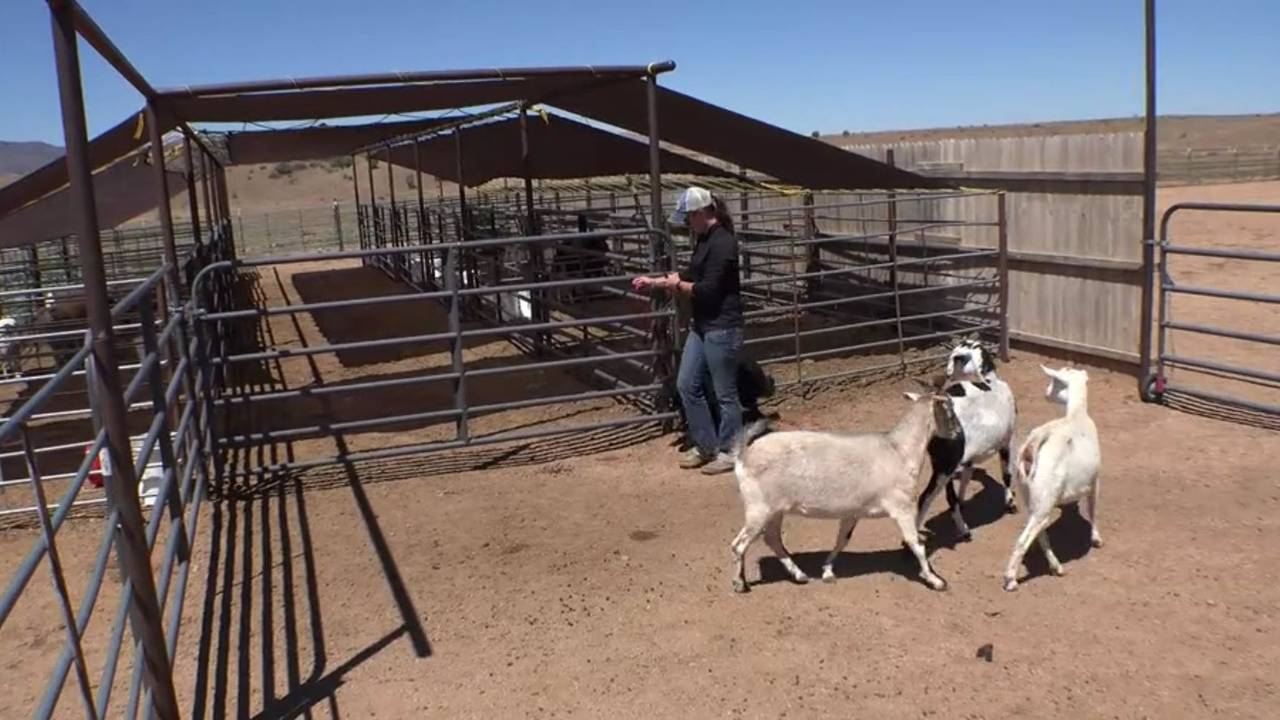
Why Practical Jobs Create Better Stockdogs Than Endless Training Drills
Aug 19, 2026Written by Dawna Sims | PSR Stockdogs
It always amazes me how quickly our stockdogs learn and how cooperative they become when we give them the opportunity to learn through real work.
Every time we step into the pasture or arena for stockdog training, we have a choice. We can spend our session running repetitive drills, or we can create meaningful jobs that teach the same skills while allowing our dogs to think, problem-solve, and use the herding instincts they were bred to have.
Whenever possible, choose the job.
Stockdogs Learn Best When the Work Has Purpose
The more real and purposeful the work feels, the more naturally the learning happens.
Stockdogs aren’t machines that simply memorize patterns. They are intelligent partners that thrive when they understand why they’re doing something. They know when they’ve accomplished something meaningful. They know the difference between helping move a group of sheep to a new pasture and circling the same set of sheep around an arena for the tenth time because we asked them to.
Purpose changes everything
When a dog understands the goal, the lesson becomes much easier to grasp. Instead of performing a series of disconnected commands, they’re solving a problem. They’re completing a task. They’re doing the work they were bred to do. That kind of learning sticks.
Don’t Trade Instinct for Precision. Precision does have its place. Every great stockdog needs structure, consistency, and clear communication from the handler. We absolutely need to teach correct flanks, stops, pace, and balance. But there is a danger in becoming so focused on perfect mechanics that we slowly train the instinct out of our dogs.
The more we rely on repetitive coursework, obstacle setups, and endless arena drills, the more mechanical our stockdogs can become. Instead of learning to read livestock, make adjustments and make decisions, they begin looking to us for every answer. Instead of thinking independently, they wait for the next command.
A stockdog that is constantly waiting to be told what to do never fully develops the confidence to make good decisions on its own. The goal isn’t blind obedience. The goal is thoughtful partnership.
Practical Stockdog Jobs Build Understanding.
One of the reasons practical work is so valuable in stockdog training is because it naturally teaches multiple skills at once.
Imagine asking your dog to gather sheep from one pasture and quietly bring them into a holding pen.
During that one job your dog learns to:
* Read the livestock.
* Adjust pressure naturally.
* Hold balance.
* Cover escapes.
* Pace themselves.
* Stay connected to the handler.
* Finish the job all the way to completion.
None of those skills exist in isolation. They all work together because the job requires them to. The learning becomes organic instead of manufactured.
You Don’t Need a Large Ranch
Some people assume practical jobs are only available if you own a large ranch, that is simply not true. Yes, large operations provide endless opportunities. There are always cattle to move, sheep to gather, gates to sort, or chores that need to be completed. But meaningful work can happen on any size property.
If you have a small farm, create jobs with intention. Move stock from one pen to another, gather a group and return them to pasture. Sort off a handful of sheep. Move cattle through an alley to a holding pen.
Even if you didn’t absolutely need to move those animals that day, you’ve still created a genuine task with a beginning, a purpose, and an end. Your stockdog experiences the satisfaction of completing real work rather than simply repeating another exercise.
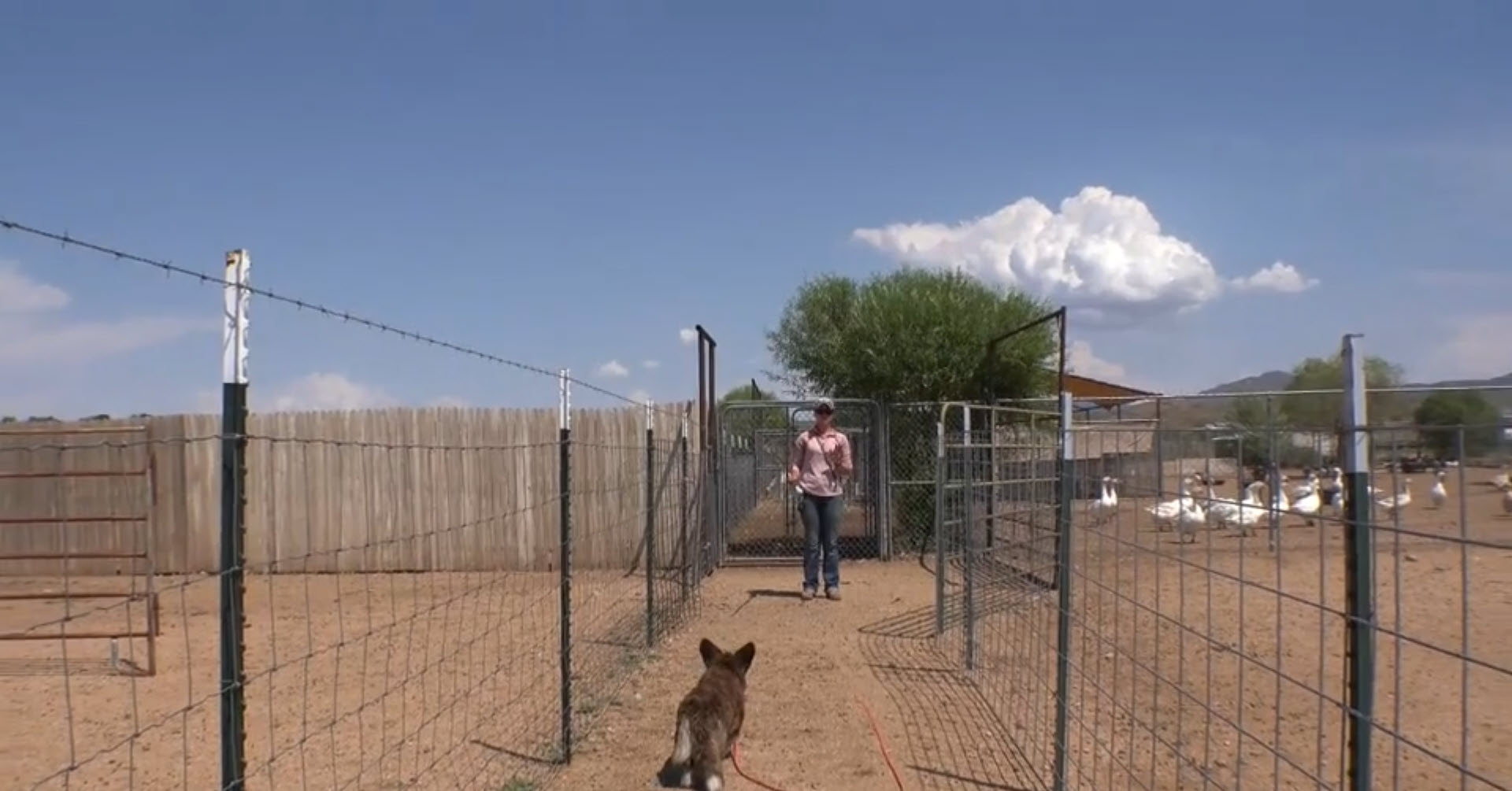
When Your Stockdog Is Struggling, Create a Job
This is one of the simplest questions I ask myself whenever a dog is having trouble understanding something: “Can I turn this lesson into a practical job?” More often than not, the answer is yes, and remarkably often, the confusion disappears.
What seemed difficult inside a drill suddenly makes perfect sense when the dog understands the purpose behind the behavior. The lesson hasn’t changed, but the context has. Dogs learn through understanding, not memorization. Purpose creates understanding, understanding builds confidence, confidence creates better stock dogs.
Build Thinking Stockdogs
At PSR Stockdogs, our goal has never been to create stockdogs that simply perform training exercises well.
We want dogs that think, dogs that use their instincts. Dogs that can read livestock, solve problems, adapt to changing situations, and confidently complete real work while staying connected to their handler. Dogs that will fix our mistakes because they understand the goal. Those are the dogs that continue improving year after year. Those are the dogs that remain natural instead of mechanical. Those are the stockdogs that become true partners.
So the next time you head out to train, ask yourself one simple question:
Can I make this a job instead of a drill?
Your dog may learn the lesson faster, retain it longer, and enjoy the training process far more. In the end, that’s exactly the kind of confident, capable stockdog we’re all hoping to build.
About Dawna Sims
Dawna Sims has more than 21 years of hands-on experience training dogs and handlers to work livestock and is the author of The Rules of the Hunt. She leads PSR Stockdogs with Megan Sims-Kennedy; together they were named 2025 Herding Breeder of the Year by the American Kennel Club, and their program is ASCA Hall of Fame Excellent Kennel #25.
Get The Working Line in your inbox
Straight talk on training the working stockdog: new posts, training insights, and what we're learning on stock. No fluff, no spam.
We'll never sell your information or clutter your inbox.
