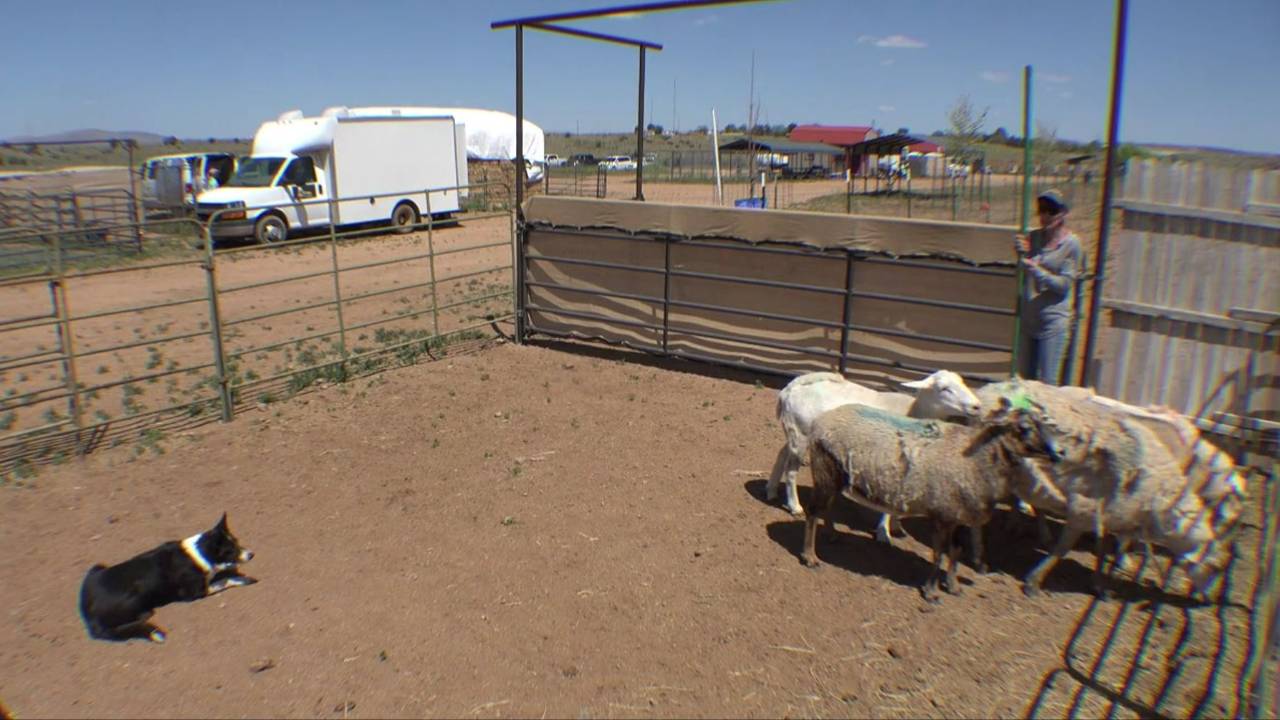
Learning to Read the Conversation Between Your Stockdog and the Livestock
Aug 05, 2026Written by Dawna Sims | PSR Stockdogs
One of the greatest skills you can develop as a stockdog handler has very little to do with whistles, commands, or having perfect timing.
It has everything to do with learning to see—and understand—the conversation that is constantly taking place between your dog and the stock. This is one of the most important skills you can develop in stockdog training and herding dog training.
Whether you realize it or not, every second they are communicating with one another.
The stock is asking questions.
"How much pressure are you going to put on me?"
"Can I trust you?"
"Are you confident?"
"Can I escape?"
"Will you move if I challenge you?"
At the very same time, your dog is answering those questions with every decision they make.
- Every step they take.
- Every pause.
- Every glance.
- Every ounce of pressure they apply—or choose to release.
The livestock then responds to your dog's answer, and your dog immediately responds to that response. It is a conversation that never stops.
The Conversation We Often Interrupt
As handlers, it's easy to become so focused on our own goals that we stop seeing the conversation unfolding in front of us during a stockdog training session.
We want the sheep to go through the gate, the gather to be cleaner, the drive to stay straight. We want our dog to flank, lie down, or walk up exactly when we ask.
Because we're focused on the outcome, we often step in the moment something doesn't look perfect. We give another command, whistle again, change our position and correct the dog. Sometimes we interrupt before our dog has even had a chance to think or adjust what they are doing.
Before giving another command, ask yourself a simple question:
What is the stock saying right now, and how is my dog trying to answer?
That single question can completely change the way you train and improve the communication between you, your stockdog, and the livestock.
Sometimes We Need to Step In
Of course, there are absolutely times when the handler needs to influence the conversation.
If the interaction is becoming unsafe, if the dog is making poor decisions, if the livestock is learning they can defeat the dog, or if confusion is building rather than understanding - then absolutely it is our responsibility to change the picture.
A good handler doesn't stand back and hope everything works itself out. We guide the learning process by creating situations where both the dog and the livestock can succeed.
Sometimes that means:
- Stopping the exercise.
- Changing the stock.
- Changing our position.
- Asking the dog to approach differently.
Good training isn't about never interfering, it is about interfering with purpose.
But Sometimes the Best Thing We Can Do Is Nothing
This is often the hardest lesson for handlers to learn.
If your dog is thinking, experimenting, making adjustments based on what the stock is telling them and are genuinely trying to solve the problem…
Then every unnecessary interruption takes away an opportunity for learning.
Those moments are where great stockdogs are developed.
They learn:
- Timing.
- Feel.
- Confidence.
- Balance.
Most importantly, they learn how livestock respond to pressure.
Those are lessons no handler can teach with commands alone. Livestock are incredible teachers. Sometimes they reward the dog for making the right decision and sometimes they immediately show the dog that a poor decision doesn't work. Those lessons are often remembered far longer than anything we could have told them.
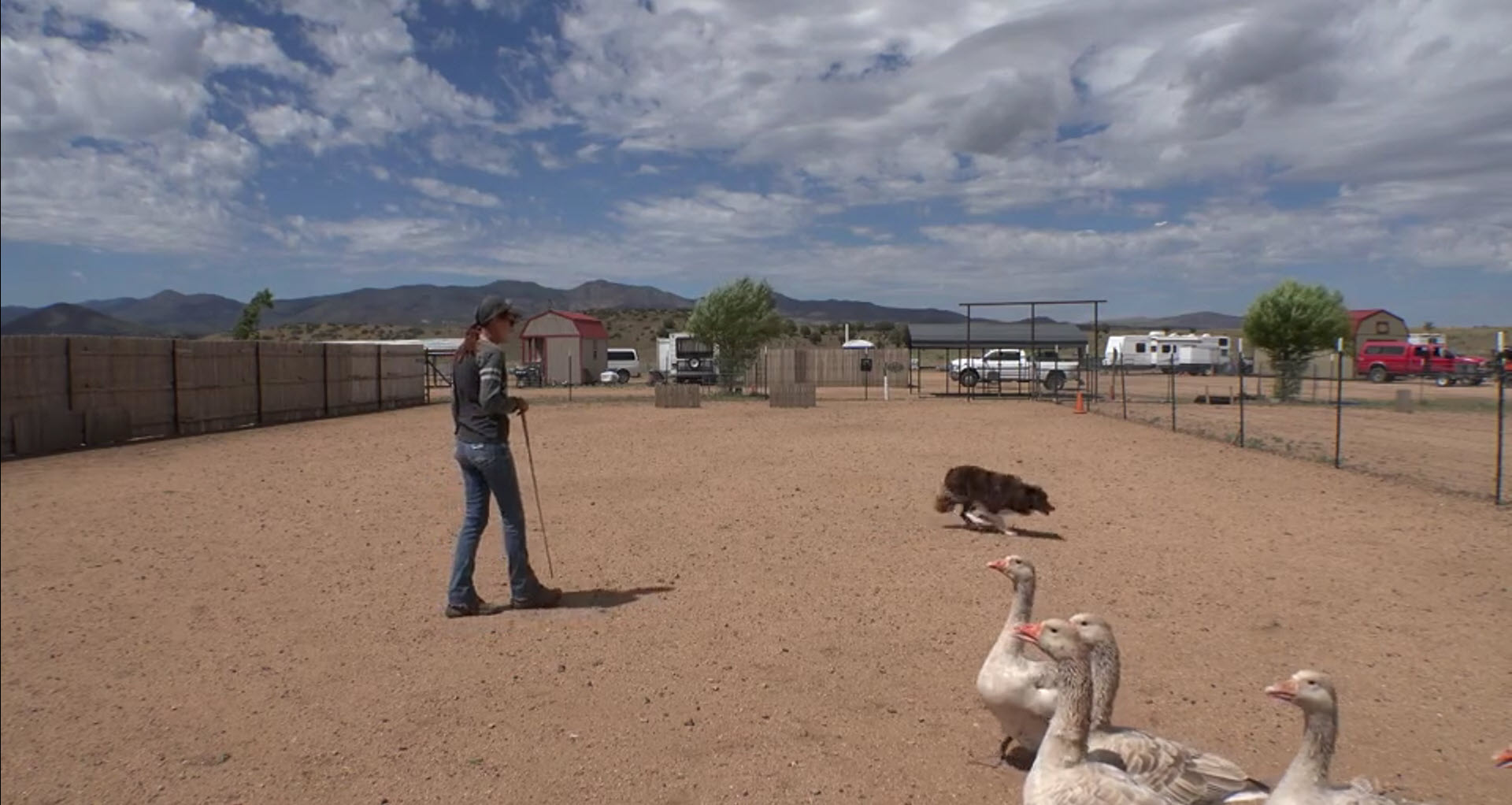
Productive Struggle vs. Getting Into Trouble
The challenge for every handler is learning the difference between productive struggle and genuine trouble.
A dog that is productively struggling is still engaged in the conversation. They are gathering information, trying different answers, and adjusting as the livestock responds. You can almost see them thinking.
A dog that's getting into trouble looks very different. They repeat the same mistake over and over, pressure keeps increasing, the stock becomes more anxious or starts ignoring the dog, or dog quits listening to the livestock altogether and simply reacts emotionally. That is when we need to step in to help.
Knowing the difference doesn't come from memorizing rules it comes from observation and experience gained through thoughtful stockdog training.
Learn to Watch Both Sides
Many handlers spend almost all of their attention watching the dog.
Great handlers watch the stock just as closely.
Ask yourself:
- Are the livestock becoming calmer or more anxious?
- Are they beginning to trust the dog's pressure?
- Are they respecting the dog's position?
- Are they searching for an escape?
- Are they showing confidence—or fear?
Then look back at your dog.
- Are they noticing those changes?
- Are they adjusting their pressure?
- Are they softening when they should?
- Increasing pressure when necessary?
- Changing their approach based on what the livestock is telling them?
When you learn to read both sides of the conversation, your timing naturally improves. You begin stepping in because the situation truly requires it—not simply because you're uncomfortable.
About Dawna Sims
Dawna Sims has more than 21 years of hands-on experience training dogs and handlers to work livestock and is the author of The Rules of the Hunt. She leads PSR Stockdogs with Megan Sims-Kennedy; together they were named 2025 Herding Breeder of the Year by the American Kennel Club, and their program is ASCA Hall of Fame Excellent Kennel #25.
Get The Working Line in your inbox
Straight talk on training the working stockdog: new posts, training insights, and what we're learning on stock. No fluff, no spam.
We'll never sell your information or clutter your inbox.
