Watch the Stock
Sep 23, 2026Written by Dawna Sims | PSR Stockdogs
Almost every student responds the same way.
“I am watching the stock. I can see them right there.”
But that’s not what your instructor means.
The truth is that it often takes years of working stock before you truly understand what it means to watch them. Seeing the stock and reading the stock are two completely different skills.
Your Dog Is Always Reading the Stock
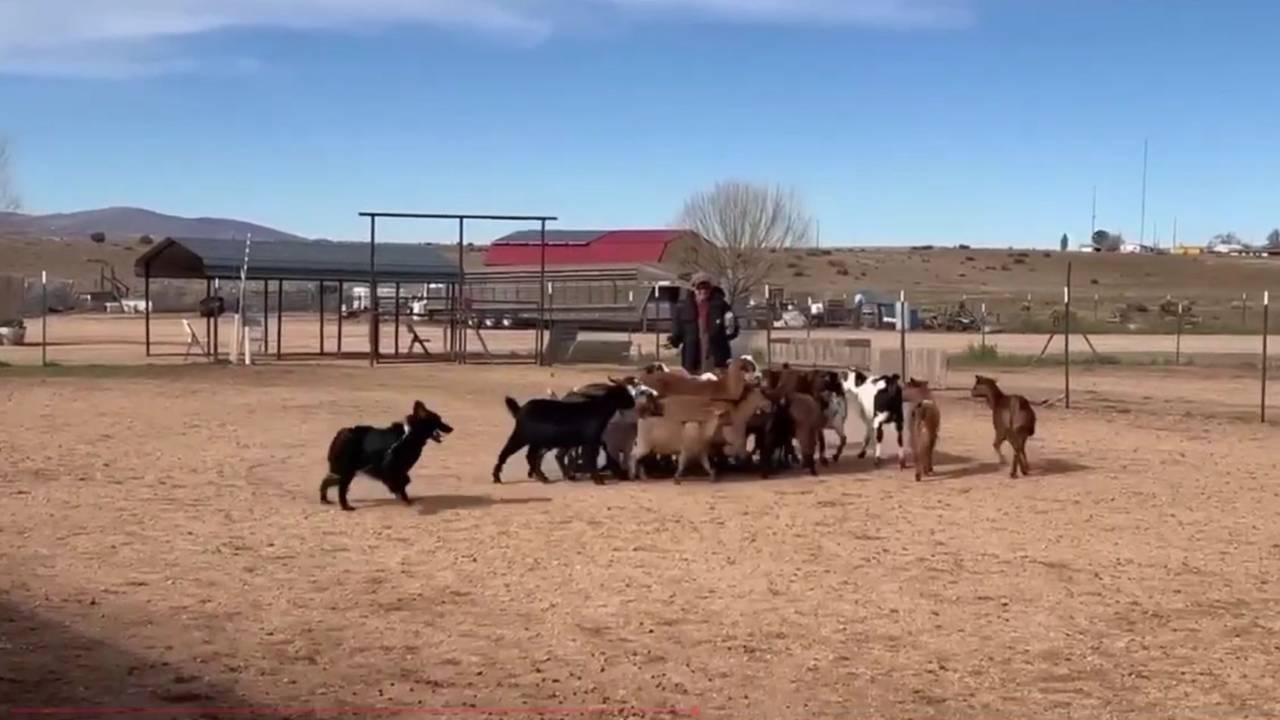
Your dog isn’t simply looking at the sheep, cattle, ducks, or geese, they are studying every detail. They notice the flick of an ear, the slight turn of a head, a shift in weight or a raised wing.
The moment an animal decides, “I’m going to bolt back to the draw,” your dog sees all of it. Even more importantly, your dog assumes you see it too. It never occurs to them that you might not be reading the same conversation they’re reading.
Why Dogs Lose Confidence in Our Handling
Imagine your dog clearly sees that the stock is about to break toward the gate. Instead of responding to what the stock is saying, you lie your dog down because that’s where you had planned to stop them. From your perspective, you’re asking for obedience, from your dog’s perspective your decision makes absolutely no sense at all.
“Why would you stop me here? Can’t you see what’s about to happen?”
When our handling decisions don’t match what the stock is telling the dog, we unintentionally teach our dogs that we make poor decisions. After enough repetitions, many dogs learn to not trust the choices we make, causing them to not listen or obey. Unfortunately, this is often labeled as disobedience.
In reality, the dog is simply trying to solve the problem they clearly see unfolding in front of them. We then put them in an impossible position. Do they obey the handler, even though it will likely cause the stock to escape? Or do they ignore the handler and do what they know needs to be done?
Neither choice is fair to the dog.
The Cost of Not Watching the Stock
This happens every day in training.
Take center penning, for example.
How many times do handlers pull their dog up too early, or too late? Then they repeat the exercise over and over, making the exact same timing mistake. The dog becomes increasingly confused and frustrated.
From the dog’s perspective:
“I thought we were trying to get the geese into the pen. But you keep stopping me in the wrong position. Maybe getting them into the pen isn’t actually what you want.”
What started as a timing mistake becomes a communication problem. The dog isn’t refusing to work, he simply can’t figure out what the handler actually wants.
Watching the Stock Means Studying Individuals
Watching the stock isn’t just looking at the group, it is studying each individual animal.
Ask yourself:
- Which animal is the most nervous?
- Which one is the leader?
- Is one constantly looking toward the fence or the draw?
- Is one searching for an escape route?
- Is pressure building or decreasing?
- Which direction are their eyes and ears pointing?
- What decision are they about to make?
The more carefully you study the stock, the more you’ll realize they announce their intentions long before they actually move. The signs are there. Your dog sees them, now it’s your turn to learn to see them too.
Seeing Through Your Dog’s Eyes
One of the biggest breakthroughs in herding happens when handlers stop focusing solely on what the dog is doing and begin focusing on what the stock is telling the dog.
When you begin reading the stock the same way your dog does, something remarkable happens. Your timing improves, your positioning improves, your commands make sense. Suddenly your dog becomes more cooperative—not because they became more obedient, but because you finally started speaking the same language. The commands you are giving and the timing of them makes perfect sense to the dogs instincts. Instead of working against each other, you become partners solving the same problem.
Your Homework
The next time you go work your dog, challenge yourself to shift your focus.
Instead of constantly asking: “Is my dog obeying?”
Ask yourself: “What are my stock about to do?”
Watch every ear, every eye, every shift in weight. Try to predict their next move before it happens. Then make your handling decisions based on what the stock is telling you—not on where you planned to send your dog five seconds ago.
You may be surprised at how quickly your dog begins to trust your handling.
After all, your dog has been watching the stock all along.
The question is…
Have you?
About Dawna Sims
Dawna Sims has more than 21 years of hands-on experience training dogs and handlers to work livestock and is the author of The Rules of the Hunt. She leads PSR Stockdogs with Megan Sims-Kennedy; together they were named 2025 Herding Breeder of the Year by the American Kennel Club, and their program is ASCA Hall of Fame Excellent Kennel #25.
Get The Working Line in your inbox
Straight talk on training the working stockdog: new posts, training insights, and what we're learning on stock. No fluff, no spam.
We'll never sell your information or clutter your inbox.
